
How Furniture Rental Helps Stagers Take on More Listings Without More Overhead
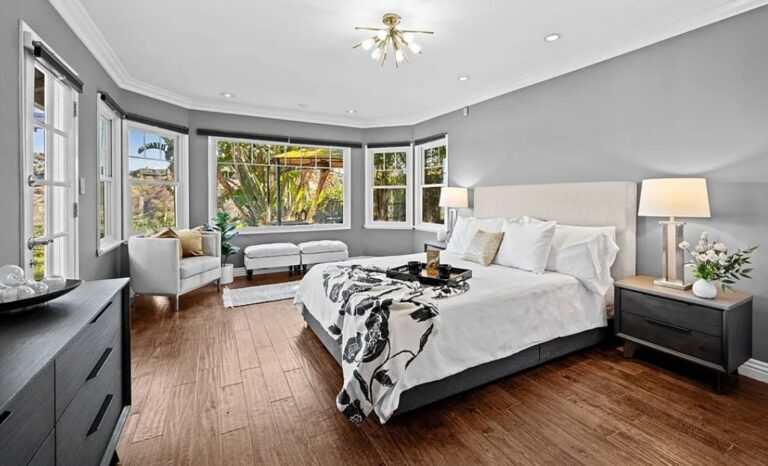
For home stagers, growth often feels like a balancing act. More listings mean more revenue, but they also bring more inventory demands, storage needs, logistics, and financial risk. Buying furniture for every project can quickly slow a business down. Warehouses fill up, cash flow tightens, and staff time shifts from design work to operations management. Instead of scaling smoothly, growth becomes complicated and expensive.
That is why many staging professionals rely on rental partnerships. Working with Fashion Furniture Rental Staging allows stagers to expand their project volume without expanding their fixed costs. Rental programs remove much of the operational burden while still giving stagers full creative control. By reducing upfront investment and simplifying logistics, furniture rental helps staging companies grow faster, stay flexible, and increase profitability without adding overhead.
Eliminate the Biggest Growth Barrier: Inventory Costs
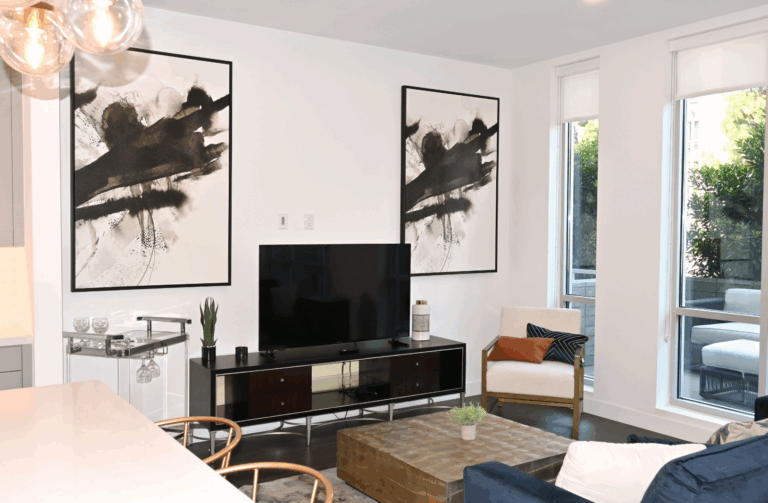
Inventory is typically the largest expense in a staging business, and purchasing furniture requires immediate capital while the return comes slowly over time. When stagers rely only on owned inventory, growth demands constant reinvestment. Each new listing may call for different styles, scales, or finishes, which often leads to more purchasing and more storage requirements.
Furniture rental changes this financial model entirely. Instead of tying up thousands of dollars in inventory, stagers pay only for what each individual project needs. This keeps capital available for marketing, hiring, and expansion rather than locking it into furniture sitting in a warehouse. Rental also protects businesses from style obsolescence. Trends evolve quickly, and pieces that felt fresh a few years ago may now look dated. Rental inventory stays current without forcing stagers to continually replace their own stock. The result is straightforward: stagers can accept more listings while reducing financial exposure.
Expand Design Options Without Expanding Storage

Storage space often determines how many projects a staging company can handle at one time. Taking on more listings usually means needing more warehouse space, more staff handling, and more coordination of transportation. Rental programs remove this physical limitation and allow businesses to scale without expanding their footprint.
Instead of storing every possible furniture style, stagers can select pieces tailored to each project. This makes it easier to align the design with the target buyer profile. A downtown condo may call for sleek modern furnishings, while a suburban family home may benefit from warmer, more approachable pieces. Coastal properties often require lighter woods and relaxed textures. Offering this level of customization through owned inventory alone would require massive storage capacity, but rental makes it achievable with simple planning.
Rental also streamlines operations by reducing handling time. There is less loading, unloading, rearranging, and inventory management. Furniture arrives ready for installation and leaves once the listing sells. This efficiency allows teams to focus on design quality and client relationships instead of warehouse logistics.
Scale Faster During Busy Seasons

Most staging companies experience predictable seasonal surges, particularly during spring and early summer when listing volume peaks. Businesses relying solely on owned inventory often struggle during these busy periods. They may have enough furniture for a typical month but not enough to meet peak demand, forcing them to turn down projects, rush expensive purchases, or stretch inventory across too many homes.
Rental partnerships provide immediate flexibility during these high-demand windows. When listing volume increases, stagers can simply order additional furnishings. When the market slows, they scale back without carrying unused inventory or long-term costs. This ability to expand and contract quickly allows staging companies to say yes to more opportunities, strengthening relationships with real estate agents and increasing annual revenue.
Consistency also improves reputation. When agents know a staging company can reliably handle multiple listings at once, trust grows. That trust often translates into repeat business and long-term referral pipelines, both of which are critical for sustained growth.
Reduce Hidden Operational Costs
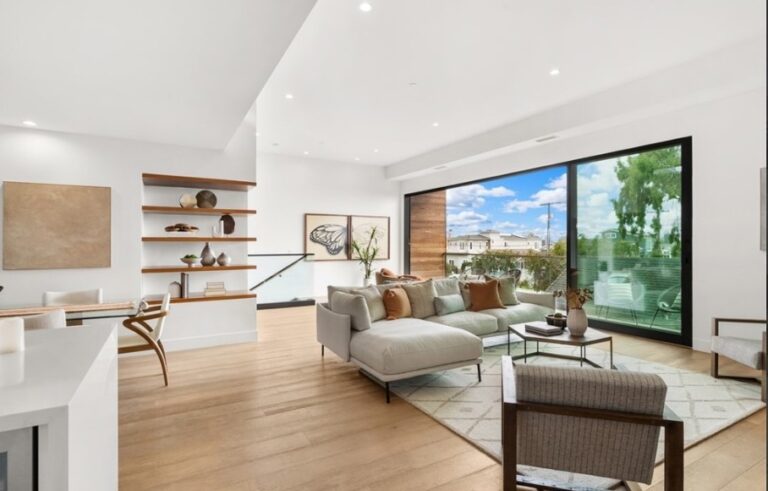
Owning staging inventory involves far more than the initial purchase price. Many hidden operational costs quietly affect profitability over time, including warehouse rent, insurance, repairs, cleaning, maintenance, transportation staffing, fuel, and inventory tracking systems. These expenses accumulate and can significantly reduce margins, especially for growing companies.
Rental programs shift much of this responsibility away from the stager. Furniture arrives clean, maintained, and presentation-ready. Replacement options are available when needed, and there is no obligation to store items long term. Administrative workload often decreases as well because fewer owned items mean simpler tracking and inventory management. Lower operational complexity typically leads to healthier margins while also reducing stress on small teams trying to scale.
Take on Larger or Higher-End Projects
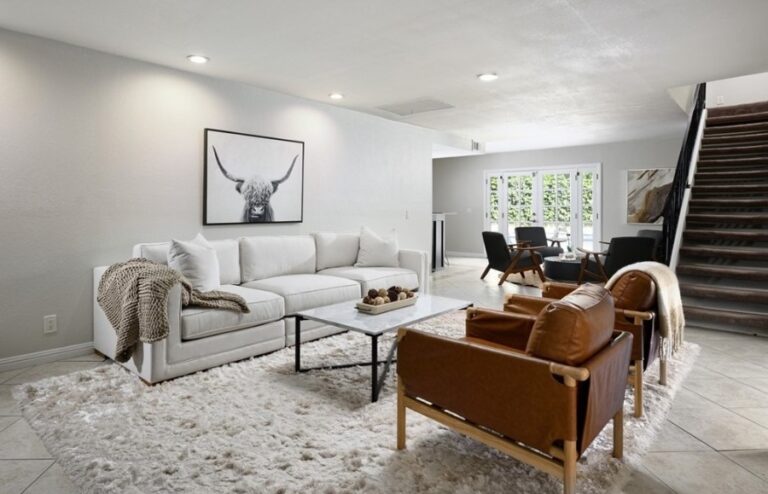
High-end listings often require more inventory as well as more specialized or upscale furnishings. For stagers working only with owned pieces, these projects can feel financially risky. Purchasing premium furniture for a single listing involves a large upfront investment that may not be used again soon.
Rental programs make these opportunities far more accessible. Stagers can select high-end furnishings only when needed, allowing them to compete confidently for premium properties. Higher-end homes often come with higher staging fees, making them valuable for both revenue growth and brand positioning. By removing the financial barrier to premium inventory, rental partnerships help staging companies move into more profitable market segments without increasing risk.
Growth in the staging industry does not have to mean heavier overhead. In fact, the most scalable staging businesses focus on flexibility rather than ownership. Furniture rental helps stagers preserve cash flow, expand design possibilities, manage more listings simultaneously, reduce operational strain, and confidently pursue larger projects.
Instead of investing in more warehouses, trucks, and inventory, stagers can invest in marketing, talent, and client relationships. This shift keeps businesses nimble, profitable, and better prepared to respond to changing market conditions. In today’s competitive real estate landscape, speed and adaptability are essential, and rental partnerships provide both.
Ready to grow your staging business without growing your overhead? Contact us and discover how flexible inventory solutions can help you take on more listings with confidence.