
Why Professional Stagers Choose Furniture Rental Over Ownership
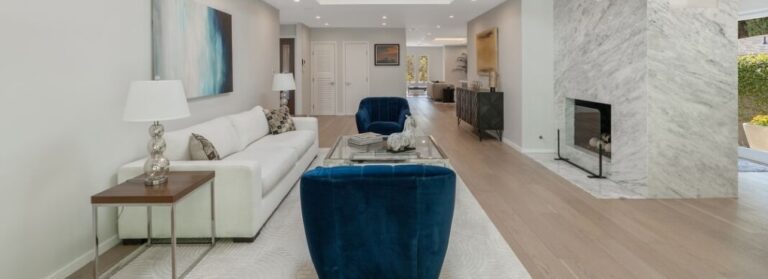
Professional home staging is equal parts creativity and logistics. Every project requires an understanding of space, buyer psychology, and current design trends, but behind the scenes, staging is also a business that must move quickly, manage costs, and adapt to changing demand. For many stagers, the way furniture is sourced plays a larger role in success than it may initially appear.
Traditionally, owning furniture has been seen as a rite of passage in the staging industry. Over time, however, more professional stagers are reevaluating that model and discovering that ownership often limits growth rather than supporting it. Capital becomes tied up, storage requirements expand, and flexibility decreases just as the business begins to scale.
As a result, furniture rental has become the preferred choice for many modern stagers. Renting furniture allows professionals to maintain creative control while avoiding the operational and financial strain that comes with ownership. At Fashion Furniture Rental, we work exclusively with stagers who design and execute their own projects. We don’t provide staging services or design direction. We simply supply the furniture, allowing stagers to operate more efficiently, profitably, and at scale.
The shift toward rental is not about cutting corners. It is about building a stronger business foundation. In this article, we’ll explore why professional stagers increasingly choose furniture rental over ownership, with a focus on cash flow, flexibility, and scalability.
Cash Flow: Protecting Capital and Improving Profitability
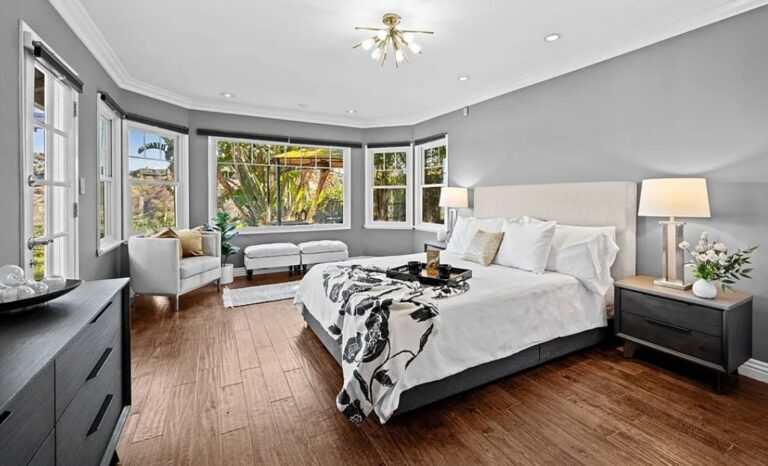
Cash flow is one of the most critical factors in any service-based business, and home staging is no exception. While owning furniture may seem like a long-term investment, it often creates financial pressure that limits growth and increases risk. Large upfront purchases require significant capital, which immediately becomes tied to assets that may not generate consistent returns.
Furniture ownership often brings hidden expenses that accumulate over time. Storage costs, insurance, maintenance, repairs, and eventual replacement all add to the total cost of ownership. Even when furniture is not actively in use, it continues to incur expenses. During slower market periods, these fixed costs can place unnecessary strain on a staging business.
Furniture rental offers a fundamentally different financial structure. Instead of committing large sums of money upfront, stagers can align furniture costs directly with individual projects. This variable-cost approach allows expenses to rise and fall with demand, creating a healthier and more predictable cash flow. Capital remains available for marketing, staffing, business development, and technology rather than being locked into inventory.
Rental also supports clearer pricing strategies. When furniture costs are tied to specific projects, stagers can more accurately price their services and maintain consistent margins. Rather than designing around owned inventory to justify sunk costs, stagers can focus on what best serves the property and the client. Over time, this financial flexibility helps reduce risk and creates a more resilient business model, especially in markets that fluctuate seasonally or economically.
Flexibility: Designing Without Inventory Constraints
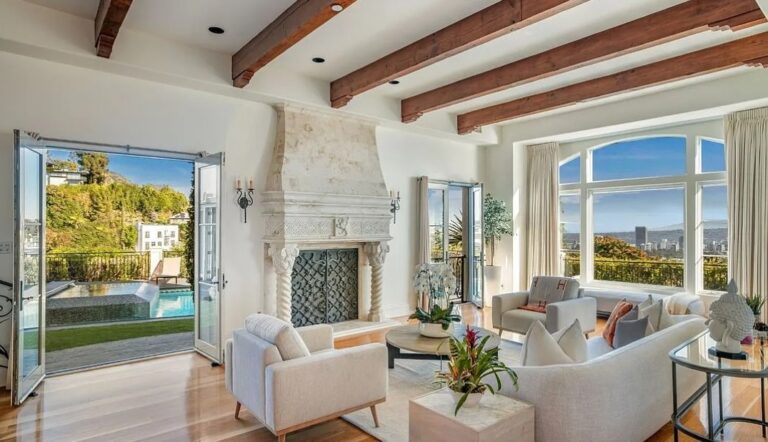
One of the most compelling reasons professional stagers choose furniture rental is the creative freedom it provides. Every home presents a different opportunity, and buyers respond best to spaces that feel intentional and tailored. When stagers rely solely on owned furniture, they may find themselves reusing the same pieces across vastly different properties, even when those pieces are not the best fit.
Furniture rental removes those limitations. Instead of designing around what is available in storage, stagers can select furniture that complements the home’s architecture, scale, and target buyer. A sleek urban condo, a family-oriented suburban home, and a high-end luxury property all require different visual stories. Rental allows stagers to adapt seamlessly from one project to the next without compromising design quality.
Flexibility also extends to staying current with design trends. Styles change quickly, and furniture that once felt modern can begin to look dated within a few years. Owning inventory often forces stagers to either accept an outdated look or reinvest heavily to refresh their collection. Rental eliminates this cycle. Stagers can access contemporary styles and updated collections without repeatedly purchasing new furniture.
In addition, furniture rental makes it easier to manage fluctuating project volume. During busy periods, stagers can take on multiple projects at once without worrying about inventory shortages. During quieter times, they are not burdened with unused furniture occupying space and resources. This adaptability allows stagers to respond confidently to new opportunities, knowing their furniture needs can scale up or down effortlessly.
Scalability: Supporting Growth Without Operational Strain
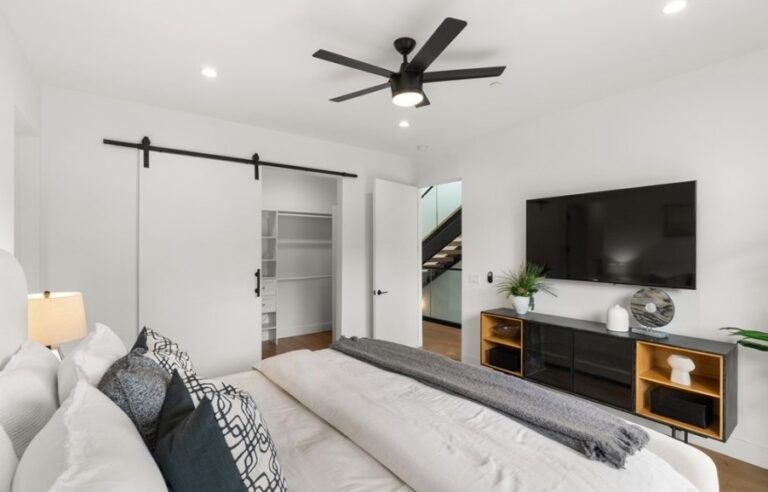
As staging businesses grow, furniture ownership often becomes the biggest obstacle to scaling. Expanding inventory requires additional capital, larger storage facilities, more labor, and increased logistical coordination. Each new project may demand new purchases, turning growth into a costly and complex process.
Furniture rental removes these barriers and allows stagers to grow without the typical growing pains. Instead of scaling physical inventory, stagers gain access to a broader range of furniture as needed. This model supports growth in both volume and scope, enabling stagers to take on larger homes, higher-end listings, or multiple projects simultaneously.
For stagers working across multiple markets or managing teams, rental also creates consistency. Rather than transporting owned furniture long distances or duplicating inventory in different locations, stagers can rely on a rental partner to provide quality furniture where and when it is needed. This reduces logistical complexity and allows businesses to expand geographically without significant upfront investment.
Scalability is not just about taking on more work. It is about building a business that can handle increased demand without sacrificing quality, profitability, or sanity. Furniture rental supports that goal by offering infrastructure without ownership, enabling stagers to focus on strategy and client relationships rather than storage and transportation challenges.
Operational Simplicity: Focusing on What Matters Most
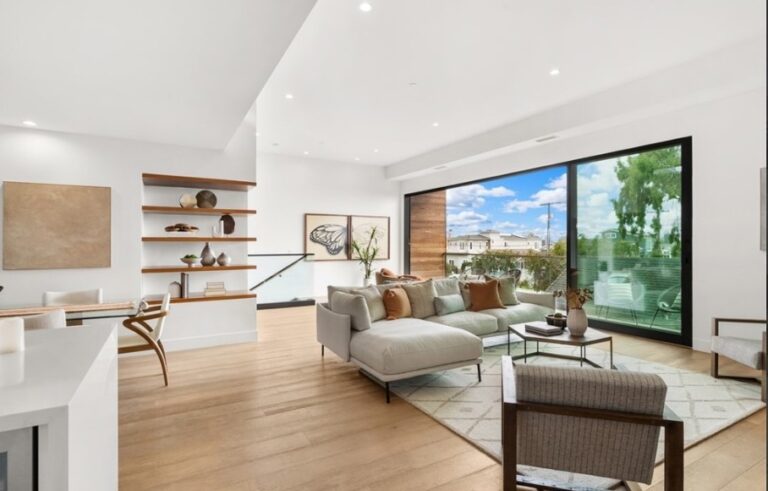
Beyond financial and creative advantages, furniture rental simplifies day-to-day operations in ways that are often underestimated. Owning furniture requires ongoing attention, from inventory management to maintenance and repairs. These tasks consume time and energy that could otherwise be spent refining designs, meeting clients, and growing the business.
When furniture is rented, much of that operational burden is removed. Stagers can focus on selecting the right pieces for each project, while logistics are handled by the rental provider. This streamlined process reduces stress and allows for a more efficient workflow, especially when managing multiple projects at once.
Rental also helps reduce risk. Furniture ownership comes with liability related to damage, wear, and loss. Over time, these issues can add unexpected costs and administrative headaches. With rental, much of that responsibility is shared or mitigated, allowing stagers to operate with greater peace of mind.
Operational simplicity is not about cutting corners. It is about eliminating distractions that pull focus away from the core of the staging business. By reducing logistical complexity, furniture rental allows stagers to deliver better results while maintaining balance and sustainability.
Conclusion: A Smarter Foundation for Professional Stagers
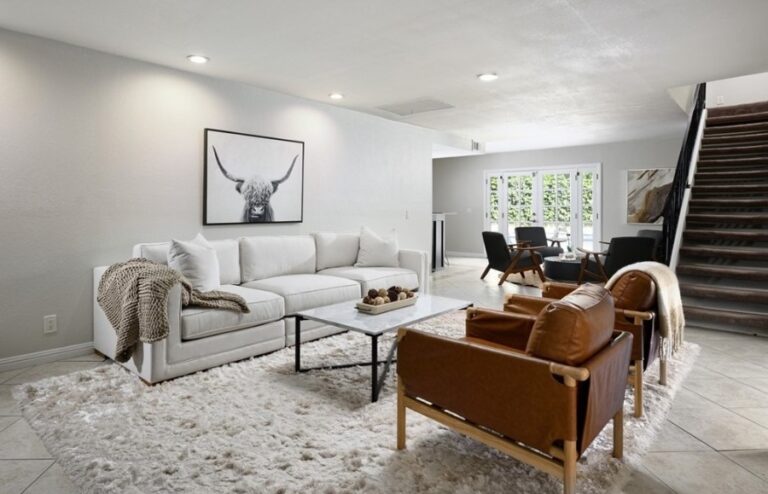
The most successful professional stagers understand that great design is only part of the equation. Building a profitable and scalable business requires smart decisions about how resources are used. Furniture rental has emerged as a strategic choice for stagers who want to protect cash flow, maintain creative freedom, and grow without unnecessary limitations.
Choosing rental over ownership does not mean giving up control. On the contrary, it allows stagers to design each project with intention, respond quickly to market demands, and operate with financial clarity. It creates a business model that supports long-term success rather than short-term convenience.
At Fashion Furniture Rental, our role is simple. We provide furniture to professional stagers who manage their own designs and projects. We don’t offer staging services, and we don’t compete with our partners. Our goal is to support stagers with flexible, reliable furniture solutions that make their businesses stronger.
If you’re ready to stage more homes without tying up your capital or limiting your growth, opening a trade account with Fashion Furniture Rental is the next step. Gain access to furniture designed to support professional stagers, improve cash flow, and scale your business with confidence.